LWS Identifies 3 Mega Trends in Real Estate Development for 2025
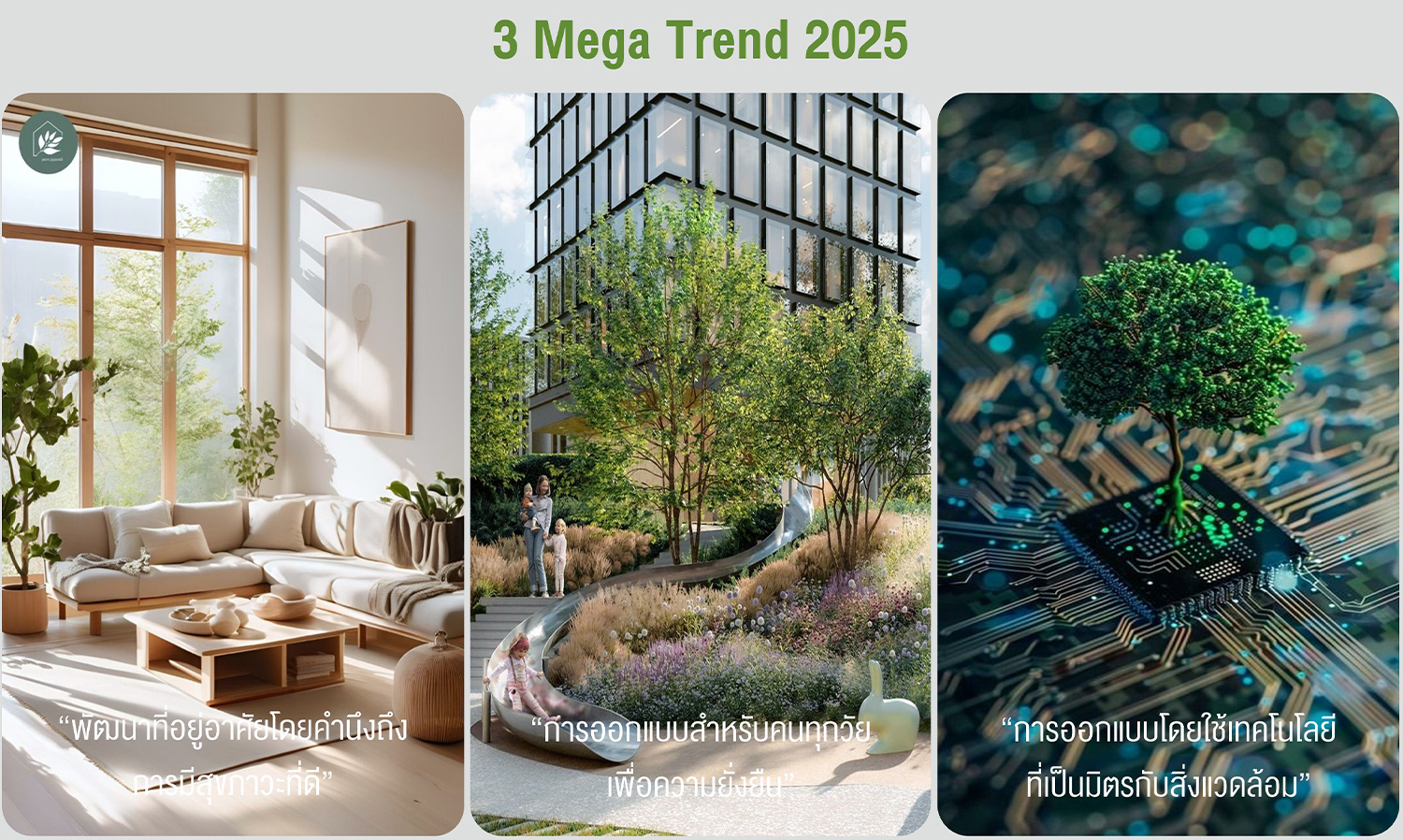
“LWS” identifies Well-Topia, Universal Design, and Technology & Environment as the 3 key trends in real estate development for 2025.
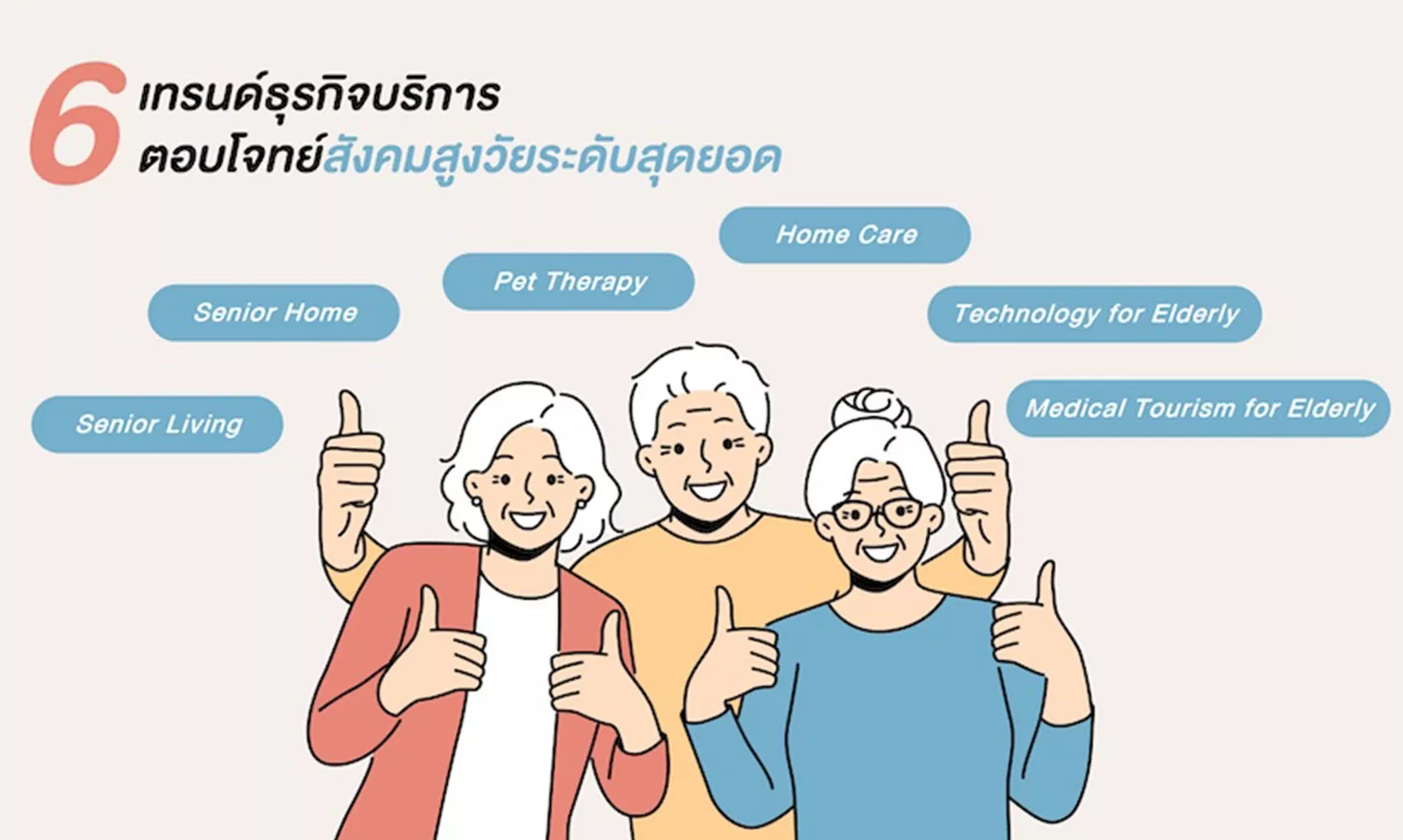
Mr. Prabhan Sak Raksaiwan, Managing Director of LWS Wisdom and Solutions Co., Ltd., a research and development company in the real estate sector under LP.N. Development Public Company Limited, revealed the trends in real estate development for 2025, stating that it will be a year of significant changes in the residential development landscape due to global climate change affecting the living conditions of the population. Thailand is currently in the process of gathering opinions on legislation regarding climate change, which is expected to be enforced in 2025-2026. Additionally, 2025 will see the second phase of the Thailand Taxonomy initiative, which includes the real estate and construction sectors. Coupled with the changing global demographic structure, where many countries are entering an aging society, Thailand is projected by the United Nations to reach a super-aged society by 2030, with over 20% of the population being elderly (aged over 60). Currently, the elderly population in Thailand accounts for 18.3% of the total population, indicating that the country is already transitioning into an aging society, even if it has not yet reached the super-aged level.
In addition to climate change and demographic shifts, rapid technological advancements, particularly in artificial intelligence (AI), are reshaping how people live and work. Geopolitical conflicts that have emerged globally since 2023 are also expected to continue affecting economic and political policies in various countries, including the uncertainties within Thailand that may impact the Thai economy in 2025.
“Given these factors, 2025 will be another challenging year for all business sectors to navigate their organizations through the waves of change, including the real estate sector, which must adapt and develop products and services to meet the evolving needs of consumers amidst new economic, social, and environmental contexts. To stay ahead of the waves of change, LWS has identified 3 important mega trends in residential development for 2025: Well-Topia, Universal Design, and Technology & Environment,” Mr. Prabhan stated.

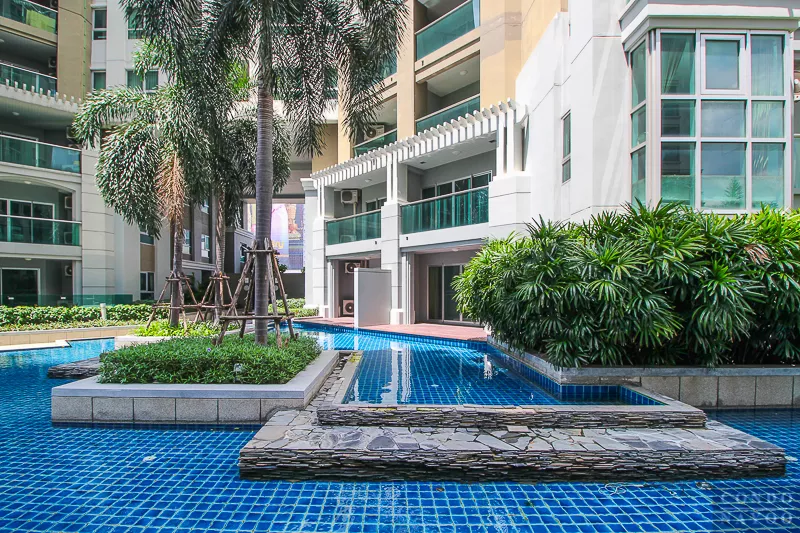
Well-Topia is a development approach that emphasizes designing for good health and well-being, focusing on material selection and design that promotes health, as well as creating communities that cater to residents of all ages, especially the elderly, under the concept of “aging with good health.” Key design elements must include sufficient green spaces, pocket parks, senior playgrounds, proximity to convenient shopping areas, AI-assisted safety monitoring along walking paths, and comprehensive medical services, along with a security system that integrates personnel and technology, operating 24/7. The design of living spaces, especially in common areas, must cater to people of all genders and ages to foster a holistic well-being environment.
Universal Design for Sustainable Living recognizes the increasing acceptance of gender diversity in society and the changing demographic structure, necessitating housing designs that accommodate all genders and ages for sustainable living. This includes creating urban forests, environmentally friendly buildings, clean energy sources, waste reduction strategies, urban agriculture, and community gardens. Incorporating nature into living spaces, such as using ornamental plants and maximizing natural light, helps people feel closer to nature. Biodiversity Net Gain, which aims to enhance biodiversity, is a new approach that combines conservation with infrastructure development. Additionally, spaces must be flexible and multifunctional, such as workspaces that can convert into bedrooms or outdoor areas that serve as social gathering spots, along with flexible usage times like 24-hour fitness and co-working spaces. The design must also accommodate both people and pets, reflecting the growing importance of pets in modern living.
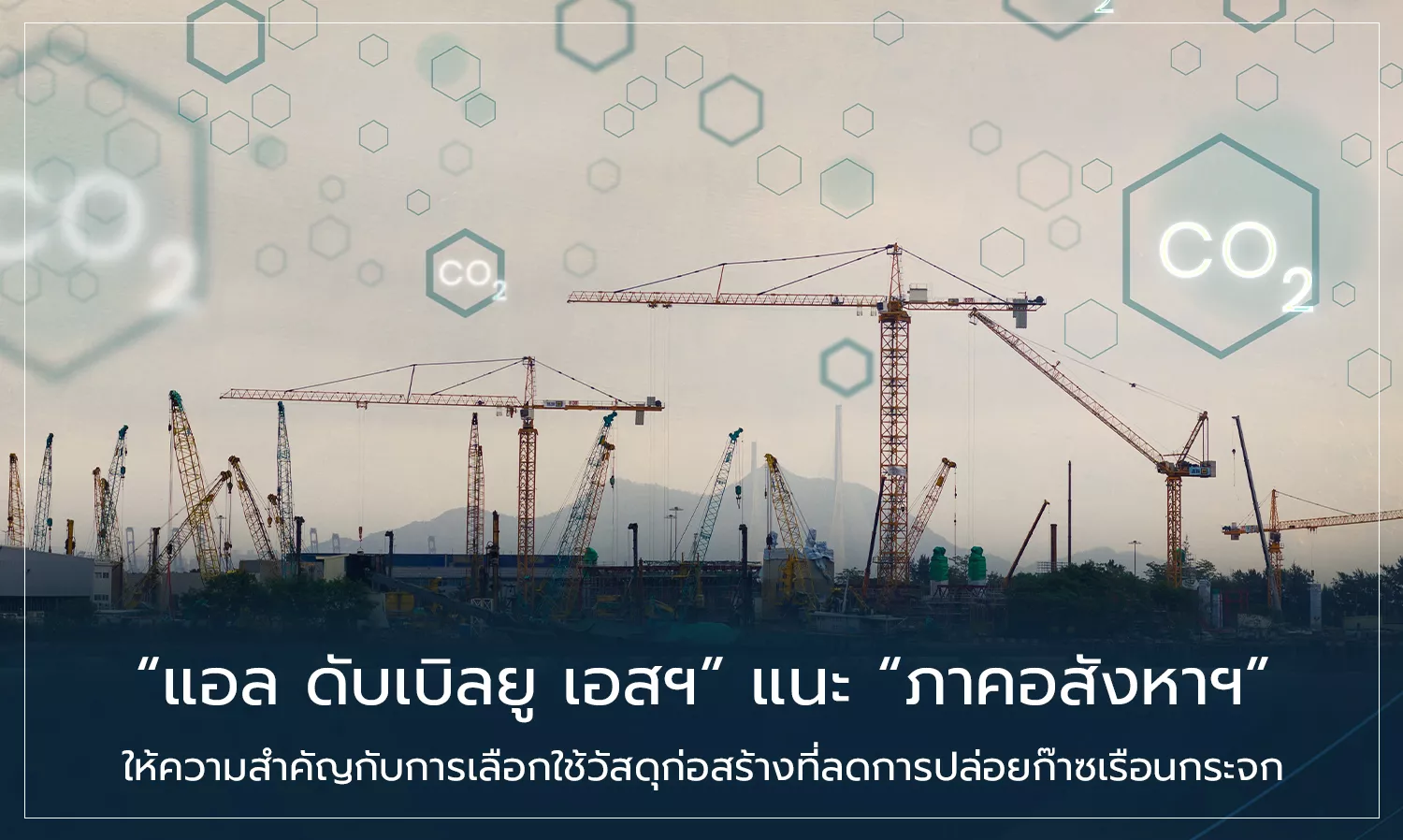
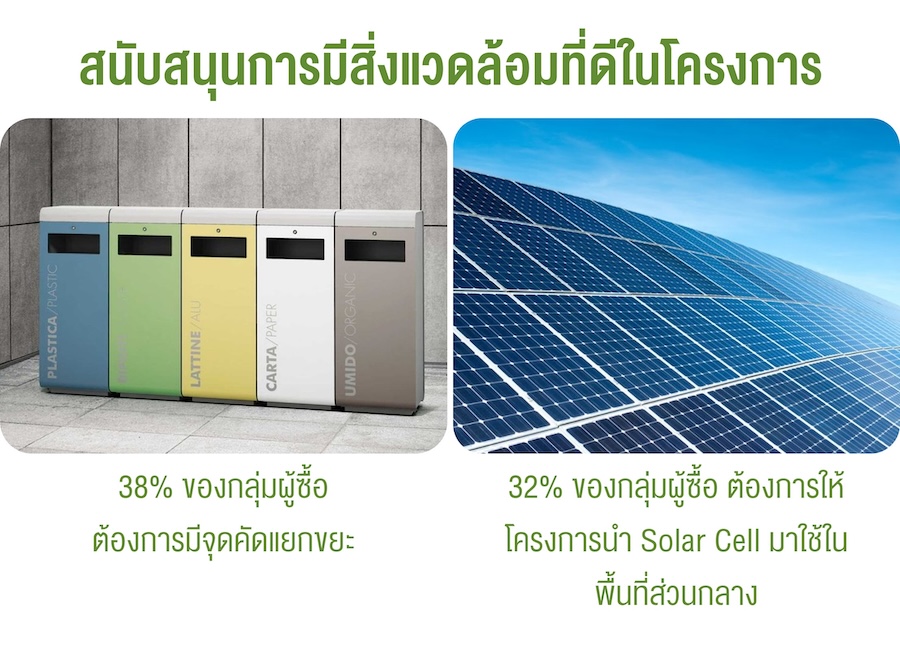
Technology & Environment highlights the importance of living environments that incorporate technology to enhance comfort while being environmentally friendly, reflecting a collective responsibility. This is particularly relevant as Thailand moves towards becoming a low greenhouse gas emission country in line with the Paris Agreement (COP 21) signed by 197 countries in 2015-2016, aiming to limit global temperature rise to no more than 1.5 degrees by 2030. In this context, real estate developers in 2025 must consider design, material selection, construction, and living conditions that minimize greenhouse gas emissions and waste at every stage of the process. This means designing to reduce energy consumption in buildings, choosing environmentally friendly materials, and implementing energy-saving technologies in building areas, such as using solar cells in common areas to mitigate environmental impact and reduce long-term costs, as well as installing EV chargers and supporting waste separation initiatives.
According to an LWS survey conducted in October 2023 with 670 respondents, prospective buyers of condominiums prioritize environmental considerations, with 38% wanting waste separation initiatives in projects, followed by 32% preferring projects to utilize solar energy in common areas. All these activities contribute to the goal of achieving Net Zero by 2065.
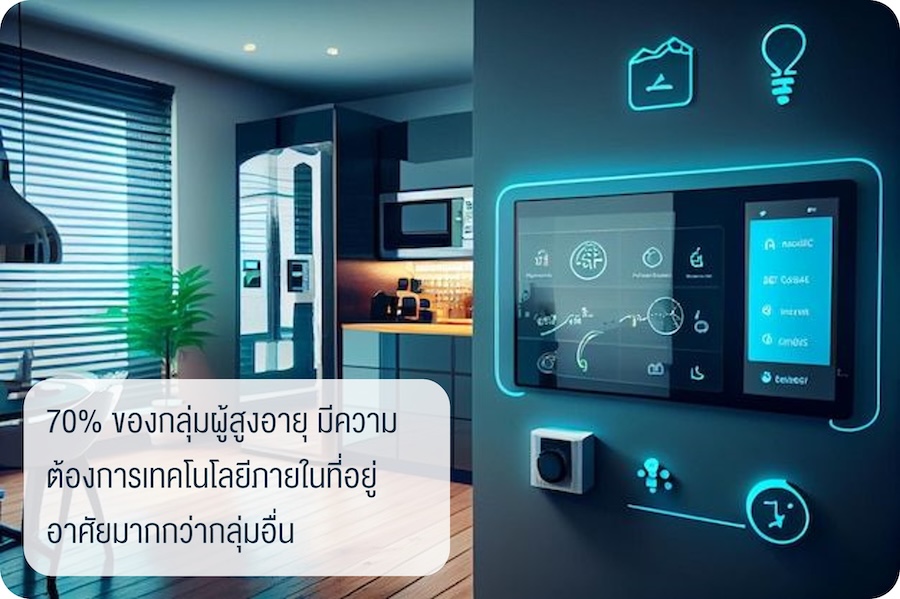
Moreover, incorporating housing technologies that cater to the diverse needs of various genders and ages is essential as the country transitions into an aging society. The use of IoT technologies for the elderly, such as home automation, alert systems, and cameras, aligns with LWS survey findings showing that 70% of elderly respondents desire such technologies, compared to an average of 60% among other groups. This indicates a significant shift in behavior, but the details of usage must be concise, easy to understand, and uncomplicated. Currently, many businesses are adapting, including real estate developers who prioritize Universal Design, integrate IoT technologies in housing, and offer services like transportation to nearby hospitals and elderly care.
“All three mega trends have begun to emerge since 2024 and will become more pronounced in 2025 amidst the changes occurring on multiple levels globally and nationally. LWS is confident that real estate companies that adapt early will successfully ride the waves of change,” Mr. Prabhan concluded.